


Virtual Reality Offers New Hope for Veterans With PTSD
A veterans’ care facility on Long Island is adopting advanced virtual reality technology to support former service members living with post-traumatic stress disorder, mobility challenges, and cognitive decline. The initiative is being used at the Long Island State Veterans Home, which operates in partnership with Stony Brook University, and is steadily gaining attention for its therapeutic impact.
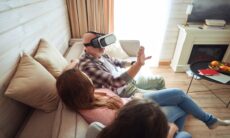
Residents at the home are offered immersive virtual experiences that place them in a wide range of realistic and imaginative environments. These include underwater explorations, visits to animal sanctuaries, simulated sporting events, and journeys through space. Calmer scenes, such as watching aurora displays or walking through scenic landscapes, are also available and are often selected by veterans dealing with PTSD-related anxiety or chronic pain.
The programme allows participants to engage in activities such as archery, butterfly catching, and guided walking tours, all through handheld controllers and head-mounted displays. These experiences are designed not only for enjoyment but also to encourage gentle physical movement. Staff members report that maintaining a range of motion is a key concern in residential care settings, and interactive virtual tasks can help residents stay active in a safe, controlled way.
For some veterans, the technology offers something more personal. The system enables users to revisit countries where they once served, including Vietnam, and see how those places look today. This feature has been particularly meaningful for individuals seeking closure or reflection on earlier stages of their lives. Others have expressed interest in returning virtually to parts of Europe, including Luxembourg.
One resident, Chuck Kurtzke, has found the experience especially powerful when exploring underwater scenes near the Great Barrier Reef and revisiting the environment of an aircraft carrier flight deck. Having served for two decades, he has described the simulations as vivid and emotionally resonant, triggering strong memories connected to his time in uniform.
The programme also supports group engagement. Residents can join shared virtual tours to visit museums, cities, and landmarks together. These include walking tours of Washington, DC, and cultural visits to Paris and regions of Italy. According to staff, these shared sessions encourage conversation, social bonding, and cognitive stimulation among participants.
The software used at the facility is developed by Mynd and is compatible with Meta headsets. The content library includes both gentle and adventurous options, ranging from horseback riding and animal interactions to skydiving, race-car driving, and a guided tour of the International Space Station. Preferences vary by generation, with Vietnam-era veterans often favouring more intense experiences, while older residents tend to select quieter, more relaxing scenes.
The initiative at the Long Island facility has been overseen locally by deputy executive director Jonathan Spier, who has observed noticeable benefits among residents. These include reduced pain reports, improved mood, and increased engagement in daily activities. The programme is seen as a complementary approach, particularly when medication alone has shown limited effectiveness.
Mynd’s chief executive, Chris Brickler, developed the platform after witnessing the effects of dementia and PTSD within his own family. His father, a Navy veteran, experienced PTSD, which influenced the company’s focus on memory, emotional access, and quality of life for older adults. Brickler has stated that virtual reality has demonstrated a unique ability to unlock memories and emotional responses that are otherwise difficult to reach.
The success of the Long Island programme has contributed to wider adoption. Mynd’s virtual reality system has now been introduced in more than 75 veterans’ homes across the United States, reflecting growing confidence in the technology’s potential. While it is not positioned as a cure, staff and developers alike view it as a valuable tool that enhances care, encourages connection, and offers veterans new ways to engage with both their past and their present.